THE SCHOLARLY INQUIRER • RESEARCH INTEGRITY DESK
How Ten Publishers Retract Research
Retractions are the primary mechanism by which the scholarly record is formally corrected. When a published article is found to contain serious errors, fabricated data, or evidence of misconduct, a retraction notice signals to the research community that the work should no longer be relied upon.
Introduction
In 2023, over 10,000 papers were retracted in scientific publishing, although this figure is regarded as only the tip of the iceberg. The consequences extend beyond the retracted articles themselves: retracted findings continue to circulate in citations, policy documents, and downstream research.
But retractions do not happen uniformly. The publishers who steward the scholarly record differ in how they detect, adjudicate, and formalize corrections. Publishers differ in editorial structures, disciplinary cultures, and institutional norms. A publisher's retraction record therefore reflects not only the prevalence of misconduct in its corpus but also the publisher's willingness and capacity to act on it.
The Multi-Publisher Landscape
In this study, we analyze 46,087 retractions across ten publishers: Hindawi, IEEE, Springer Nature, Elsevier, Wiley, Taylor & Francis, SAGE, IOS Press, PLoS, and ACM. Data were collected from the Retraction Watch database (1997-2026).
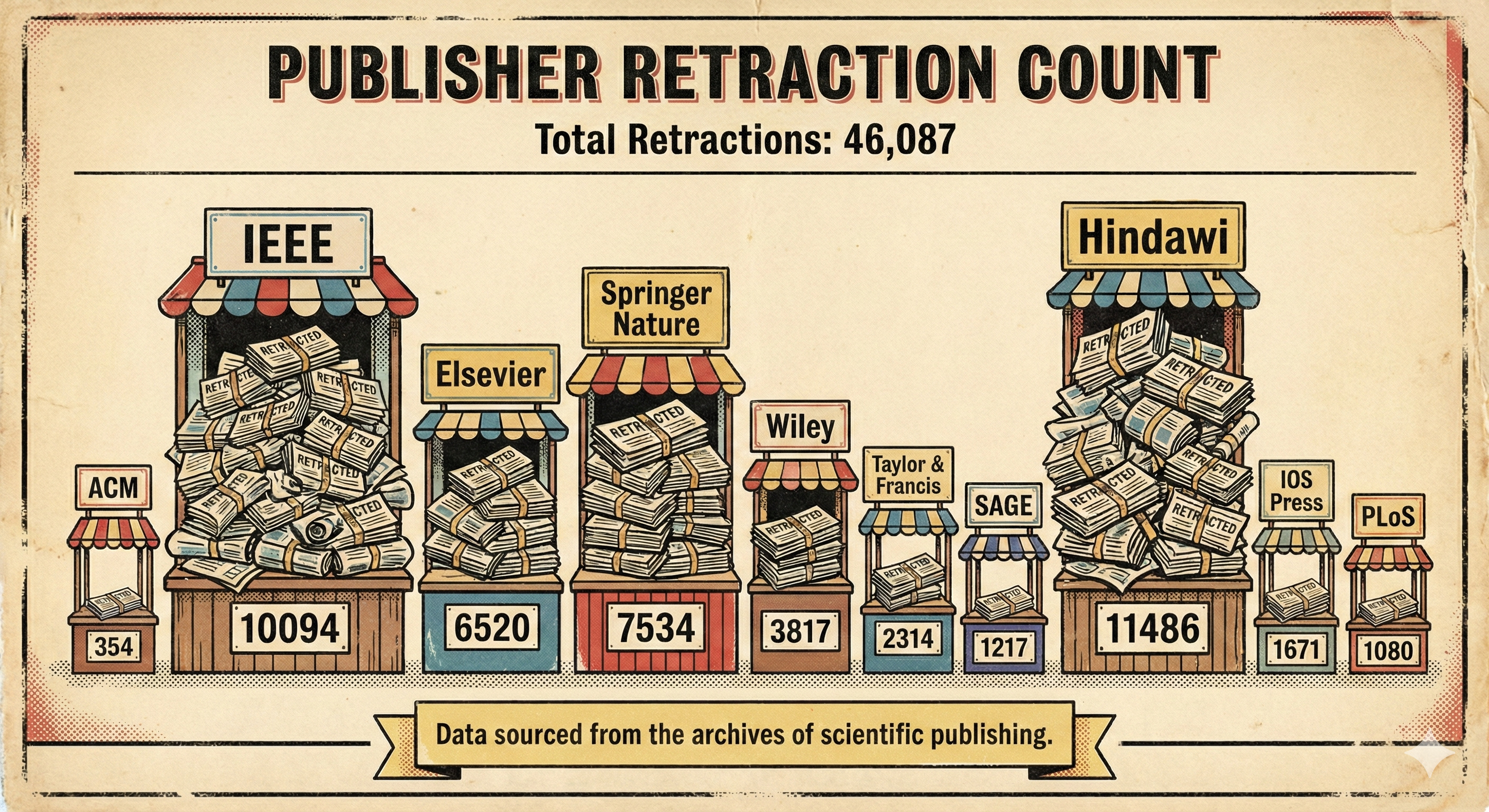
Fig 2. Retraction counts vary wildly across the publishing ecosystem.
Normalized retraction rates vary by two orders of magnitude. Hindawi leads with 11,486 retractions, reflecting mass retractions against relatively small publication bases. Elsevier, despite the largest absolute publication volume (15.69 million), has the lowest retraction rate (3.97 per 10k).
The ACM Outlier
Within this variation, ACM is a compositional outlier. Its normalized retraction rate is mid-range (5.65 retractions per 10,000 publications), comparable to publishers of similar size. What distinguishes ACM from every other publisher is not the rate but the composition.
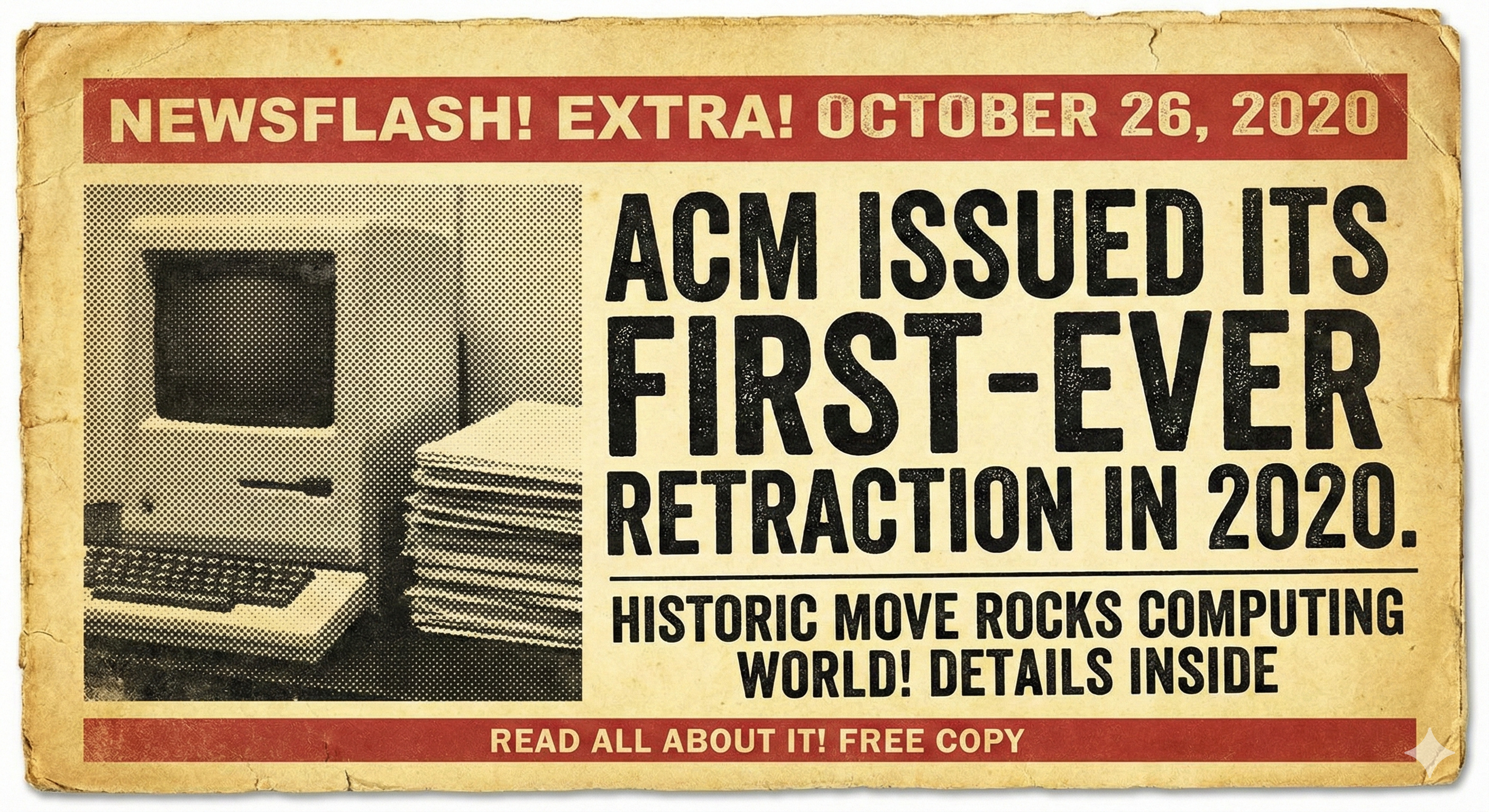
Fig 3. A notable historical lag in formally addressing the scholarly record.
ACM's temporal record is striking: its first retraction dates to 2020, despite the Digital Library launching in 1997. The vast majority of retractions cluster in Q3 2021. In contrast, Elsevier, Springer Nature, Wiley, and IEEE have retraction notices dating back to the early 2000s.
Furthermore, ACM's record is dominated by a single reason stemming predominantly from one single event (Compromised Peer Review). Seven of the ten most common global retraction reasons (including misconduct, plagiarism, and data concerns) are entirely absent from ACM's record.
The "Extremely High" Threshold
ACM's policy describes its retraction threshold as "extremely high." The data invite reflection on what a record under that threshold looks like. It is possible that ACM-published research contains fewer of the problems that lead to retraction elsewhere, but the systemic pressures that drive misconduct are not confined to specific publishers.
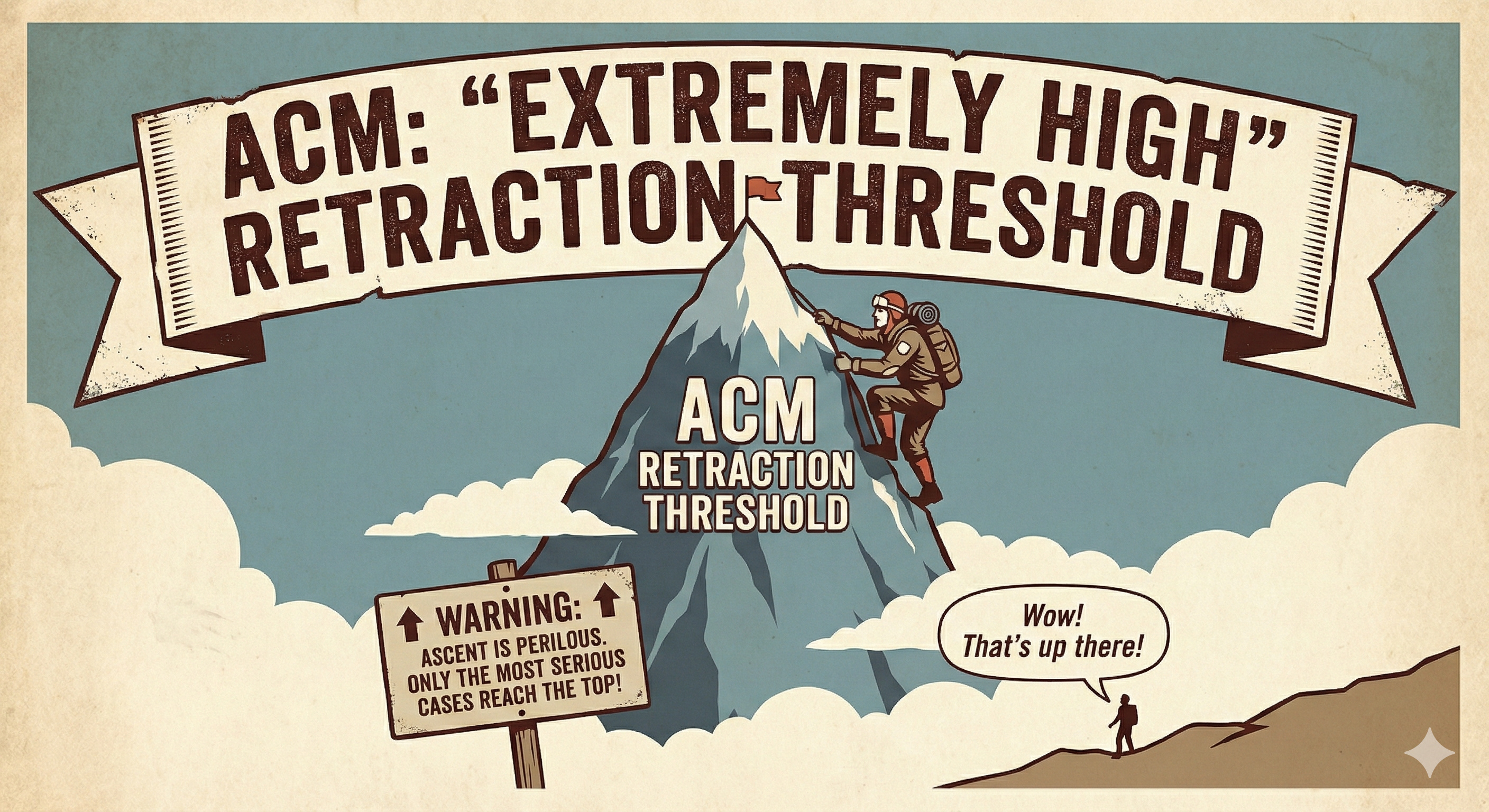
Fig 4. Scaling the peak of an unusually high evidentiary burden.
The most parsimonious reading of the data is that ACM's threshold excludes the vast majority of cases that other publishers would retract. Individual cases of plagiarism, data fabrication, or flawed results require more nuanced adjudication and are more easily contested. Under a policy that demands "extremely high" certainty, such cases are less likely to result in formal retraction.
COPE Guidelines vs. ACM Reality
A publisher's retraction record reflects not only misconduct prevalence but also willingness and capacity to act. The COPE retraction guidelines, which ACM has adopted for a subset of its journals, recommend retraction when there is "clear evidence that the findings are unreliable" or evidence of misconduct.
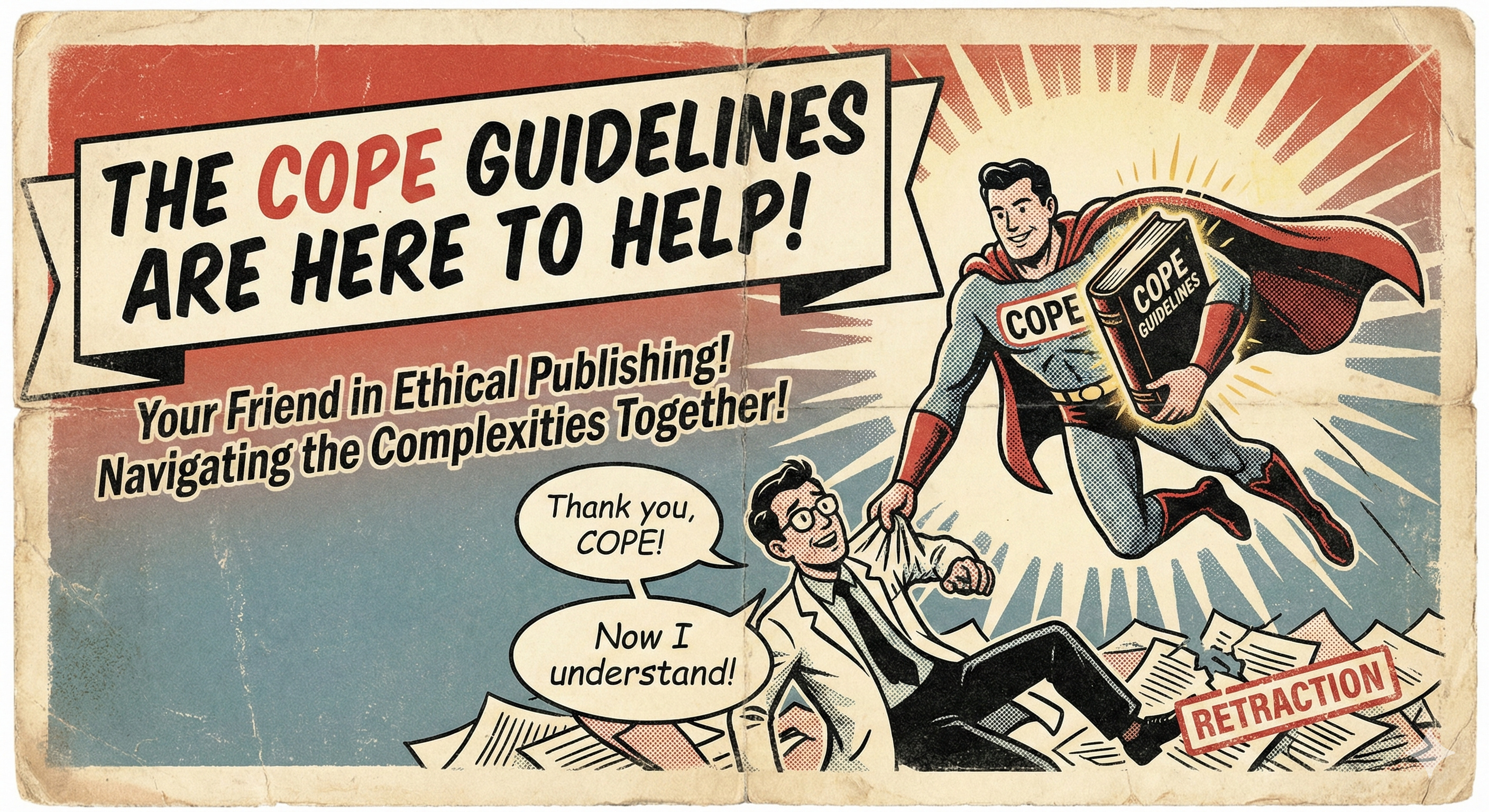
Fig 5a. The standard approach to ethical publishing.
This standard is a substantially lower threshold than "extremely high." When a publisher sets a high bar, the expected pattern is fewer retractions and a record that may under-represent the true extent of problems. This is not a neutral outcome. When problematic work is not retracted, the harms compound: no formal notice is issued, and the scholarly community has no mechanism to identify and disregard the flawed findings.
Transparency and the Dark Archive
Separate from the retraction threshold is ACM's "dark archive" for removed works. When ACM removes a publication, it moves to a private archive. The scholarly community cannot verify which works have been removed, the reasons for removal, or the scope of the corrections applied.
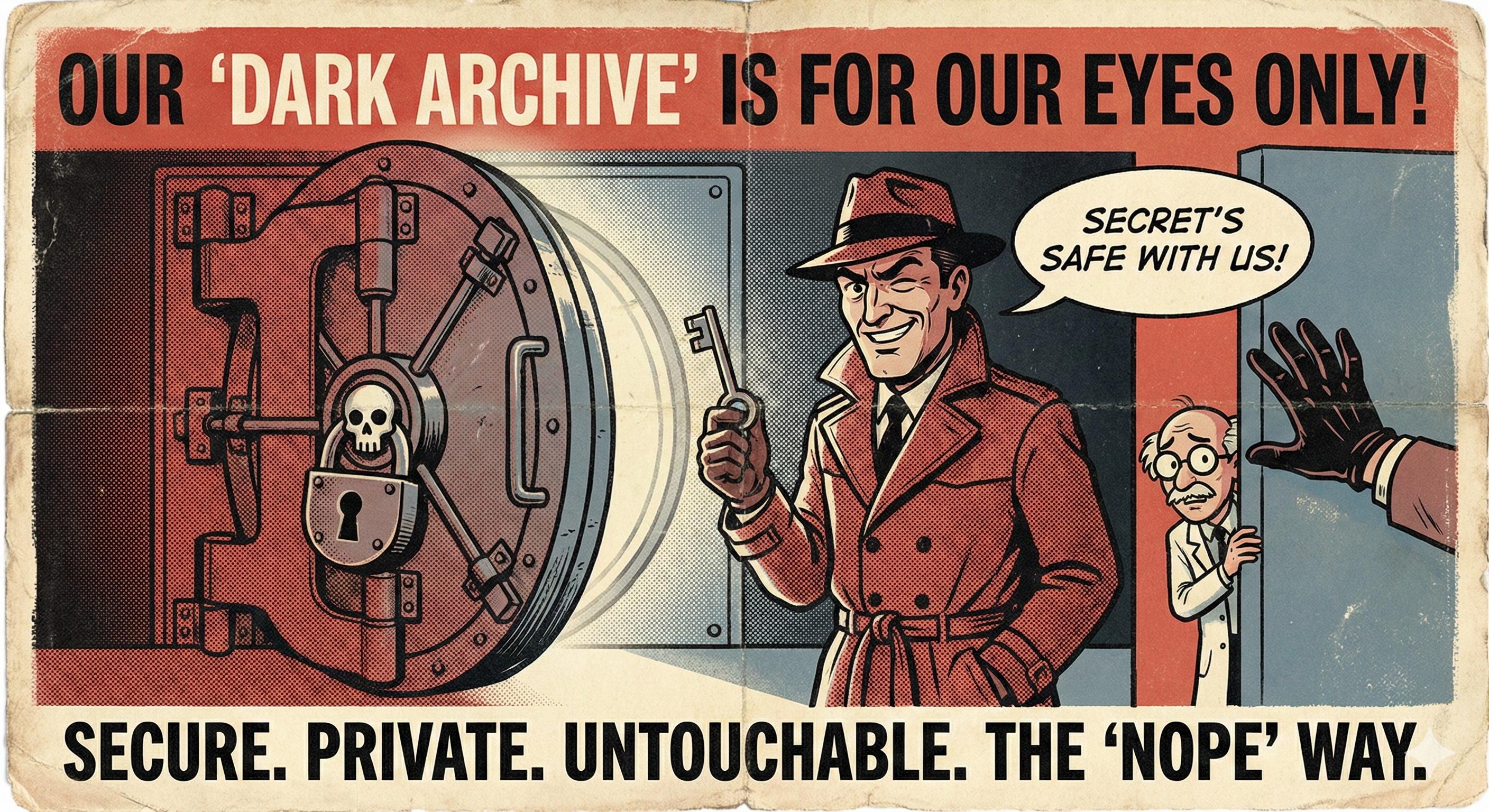
Fig 6. A locked vault for removed research.
A retraction notice informs readers that a work should not be relied upon, allowing downstream researchers to reassess findings built on it. If or when works are removed without public notice, the corrective function is served for the publisher but not for the broader community. Researchers who previously cited a removed work may have no way of knowing it has been withdrawn.
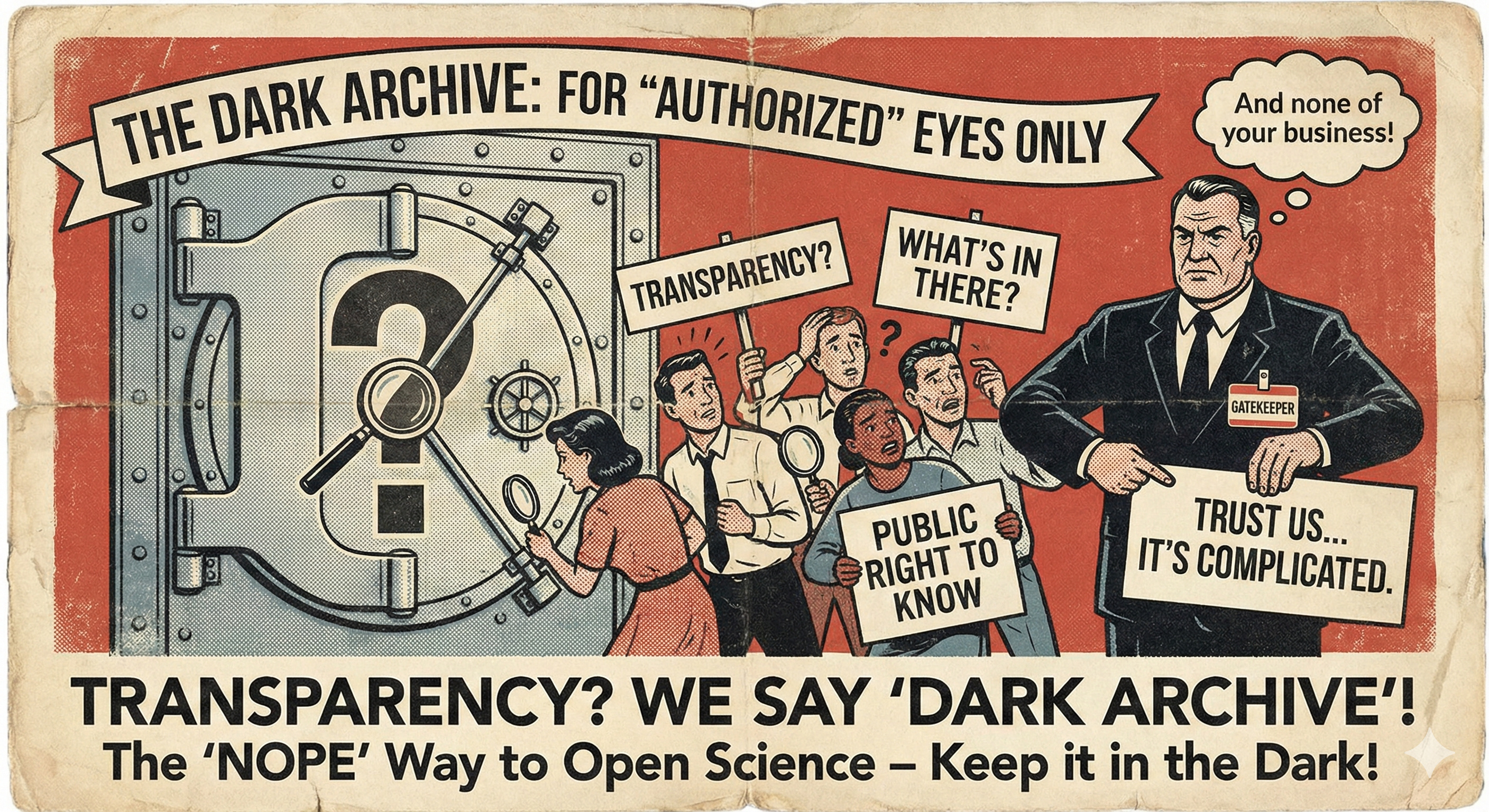
Fig 7. The clash between public accountability and opaque archives.
The scholarly community's recent investments in transparency reinforce this concern. Crossref's acquisition of the Retraction Watch database reflects a consensus that retraction metadata should be openly available for indexing, citation analysis, and integrity monitoring. A dark archive moves in the opposite direction.
Conclusion
The cross-publisher comparison reveals that retraction practices vary across every dimension we measured, with no single publisher profile constituting a normative baseline. Aligning with modern transparency norms would strengthen digital libraries and signal that research integrity is a priority commensurate with the importance of the work published.
Fig 1. The pervasive 'publish-or-perish' culture often ignores the messy reality of data collection.